The Core of Your E-Bike: Why the Motor Matters
The motor is arguably the most critical component when converting a traditional bicycle into an electric one. It dictates your bike's power, speed, range, and overall ride feel. A well-chosen motor can transform your daily commute or weekend adventure, while a mismatch can lead to frustration. At Kinetic Krew, we believe in empowering our clients with knowledge to make informed decisions, ensuring your custom e-bike perfectly aligns with your needs and dreams.
This guide will demystify the different types of hub motors available and help you navigate the technical specifications to select the ideal heart for your custom electric bicycle. Let's dive in!
Geared Hub vs. Direct Drive: Understanding the Difference
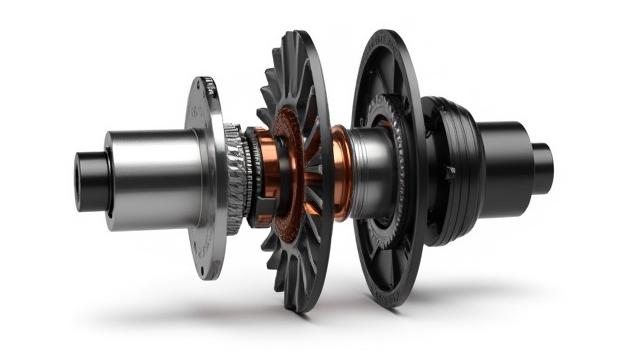
Geared Hub Motors
Geared hub motors typically use internal planetary gears to reduce the motor's speed while increasing torque. This design allows for a smaller, lighter motor that still provides excellent hill-climbing ability and quick acceleration from a stop.
- Pros:
- Higher torque for hill climbing
- Lighter and more compact
- Minimal drag when pedaling unpowered
- Cons:
- Gears can wear out over time, potentially requiring maintenance
- Can be noisier than direct drive motors
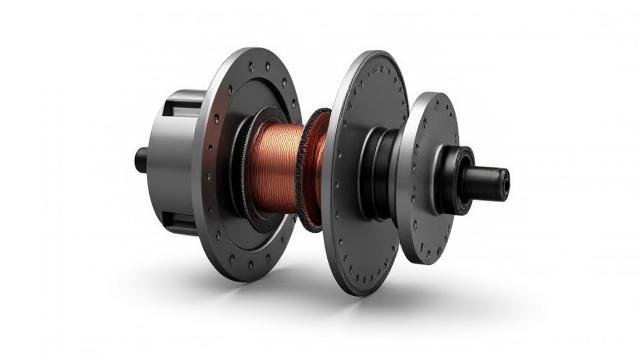
Direct Drive Hub Motors
Direct drive hub motors have no internal gearing. The motor's stator is directly attached to the axle, and the rotor spins around it, acting as the wheel's hub. This simplicity translates to durability and quiet operation.
- Pros:
- Fewer moving parts, extremely durable
- Regenerative braking capability (some models)
- Quieter operation
- Cons:
- Heavier and larger
- Creates more drag when pedaling unpowered
Power Ratings (Watts): Performance, Legality, and You
Hub motors are typically rated in Watts (W), indicating their continuous power output. Common ratings range from 250W to 1500W or even higher for off-road applications. But what do these numbers really mean for your ride?
 Performance: Higher wattage generally means more power, faster acceleration, and greater ability to conquer steep inclines. A 250W motor is excellent for urban commuting and gentle hills, while a 750W or 1000W motor offers exhilarating power for more demanding terrain or cargo hauling.
 Legality: It's crucial to be aware of local regulations concerning e-bike motor wattage and top speed. Many regions (e.g., EU, some US states) limit legal street-legal e-bikes to 250W or 750W. Exceeding these limits might classify your e-bike as a moped, requiring licensing, registration, and potentially different riding rules. Always check your local laws.
 Battery Consumption: More powerful motors consume more battery power. If you opt for a higher wattage motor, ensure your battery capacity (measured in Watt-hours, Wh) is sufficient to provide your desired range.
When considering wattage, think about your primary use case. Are you looking for a zippy commuter, a heavy-duty cargo hauler, or something to assist on long, hilly tours?
Front vs. Rear Hub Motors: Where to Put the Power
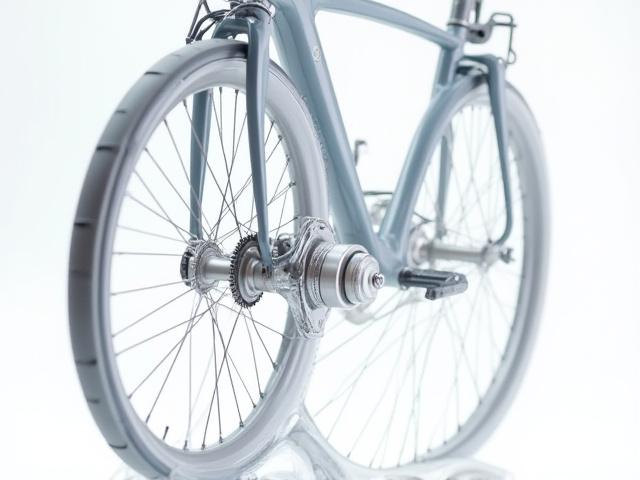
Front Hub Motors
A front hub motor essentially pulls you along. It's often easier to install, as it integrates into your existing front wheel, and keeps the rear drivetrain untouched. This can be a good option for those wanting a simpler conversion.
- Pros: Easy installation, maintains existing gears, creates an all-wheel-drive feel (when pedaling), good for cargo bikes.
- Cons: Can affect steering dynamics, less traction on loose surfaces, potential for fork stress.
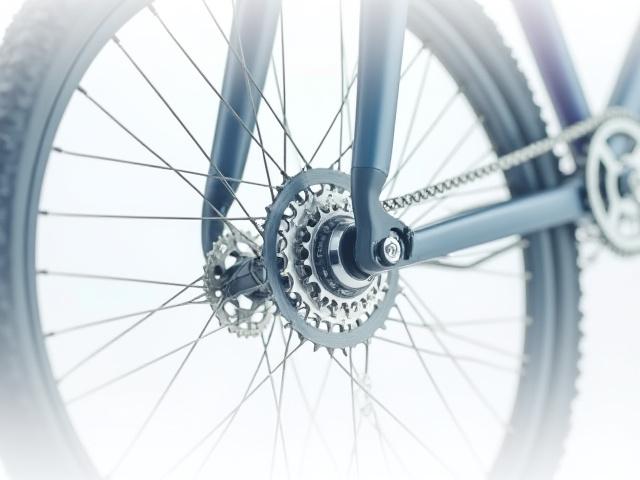
Rear Hub Motors
Rear hub motors push you forward, providing a more traditional bicycle feel, especially when combined with pedal assist. They offer better traction and distribute weight more effectively towards the rear of the bike.
- Pros: Better traction, more natural ride feel, less impact on steering, handles higher power better.
- Cons: More complex installation (integrates with cassette/freewheel), can be harder to change a rear flat, heavier rear end.
Conclusion: Your Perfect Motor Awaits
Choosing the right hub motor involves balancing performance desires with practical considerations like weight, maintenance, and legal compliance. Whether you prioritize power, stealth, or ease of installation, there's a hub motor out there for your ideal e-bike conversion.
Don't feel overwhelmed! This is where the Kinetic Krew comes in. Our artisans specialize in bespoke electric bike solutions. We'll help you dissect these technicalities and recommend the perfect hub motor – and a complete conversion kit – that meets your specific needs, budget, and riding style.
Ready to electrify your ride? Contact us today to schedule a consultation and take the first step towards your custom e-bike adventure!